
Why Your Boosted Facebook Posts Aren’t Bringing Leads

You wrote a good post, it got some likes, and Facebook popped up that little blue “Boost post” button promising more people for twenty bucks. So you tapped it. You’ve tapped it a few times now. More people saw the post, and your phone didn’t ring. Here’s what that button actually does, and why it almost never brings a Metro Detroit business real leads.
Boosting isn’t advertising
This is the whole misunderstanding. The Boost button is the toy version of Facebook’s ad system. It optimizes for the cheapest, easiest thing to get: engagement. Likes, reactions, the odd comment. Facebook happily shows your post to the people most likely to tap a heart, because that’s what you told it to buy.
The problem is that a person who taps a heart and a person who books a job are two different people. You paid to reach the heart-tappers. They did exactly what you paid for and nothing you actually wanted.
Likes aren’t leads
Fifty new likes feels like progress. It isn’t. A like costs the person nothing, means nothing, and is gone from their memory by dinner. It doesn’t have a phone number, it doesn’t have a name in your pipeline, and it doesn’t become a customer. You can boost your way to a wall of engagement and a dead calendar at the same time. I’ve watched owners do it for months.
The real ad system is a different tool
Facebook does have a system that generates leads. It lives in Ads Manager, not on the Boost button, and it lets you do the things that actually matter: target by location so you’re only paying to reach people in your service area, choose “leads” or “calls” as the goal instead of engagement, and send people to a page built to capture them, not back to your feed.
Same platform, completely different machine. One is built to make you feel good. The other is built to make your phone ring. The Boost button doesn’t let you near the second one.
Where the money actually goes
Say you spend $300 a month boosting. That’s $3,600 a year buying reactions from people who were never going to call, sprinkled partly on folks outside your service area entirely. The like count went up and the leads didn’t. That’s not bad luck, it’s the button working exactly as designed. The tool was wrong for the job.
The bigger issue: where do they even land?
Here’s the part nobody at Facebook mentions. Even a real, well-targeted ad fails if it sends people to a slow homepage with no clear next step. The ad’s only job is to get the click. Your site’s job is to turn that click into a call, and that’s where most of this breaks. If you’re going to spend on traffic, the destination has to be a conversion-ready website first. Otherwise you’re just paying to introduce customers to a page that loses them. (Same trap on Google: how to stop wasting your ads budget.)
What I tell people to do instead
Stop boosting. If social is where your customers are, run real lead ads through Ads Manager with location targeting and a proper destination, or don’t spend on it at all and put that money into the foundation that compounds. I won’t set up ads for a business whose website can’t catch the traffic, because that’s lighting money on fire with extra steps. Foundation first, then traffic. Most of my clients come to me after months of boosting with nothing to show, wondering why “Facebook doesn’t work.” Facebook works. The button doesn’t.
What to check before you boost anything
- Is there a phone number or form on the page the post sends people to?
- Can you tell, from your own records, which sales came from Facebook?
- Does the audience you picked match the people who actually buy from you?
If any answer is no, the boost is money spent on a guess. When I set up paid ads, the tracking goes in before the budget goes up, and the setup runs $1,500 to $3,000 for one platform. I explain how that works on Michigan PPC management.
Spending on social and getting nothing?
I’ll look at what you’re boosting and where it sends people, live, and show you whether real ads make sense for you or whether that budget belongs somewhere else. No pitch deck, no closer, just 30 minutes and a straight answer.
Book a free 30-minute strategy call.
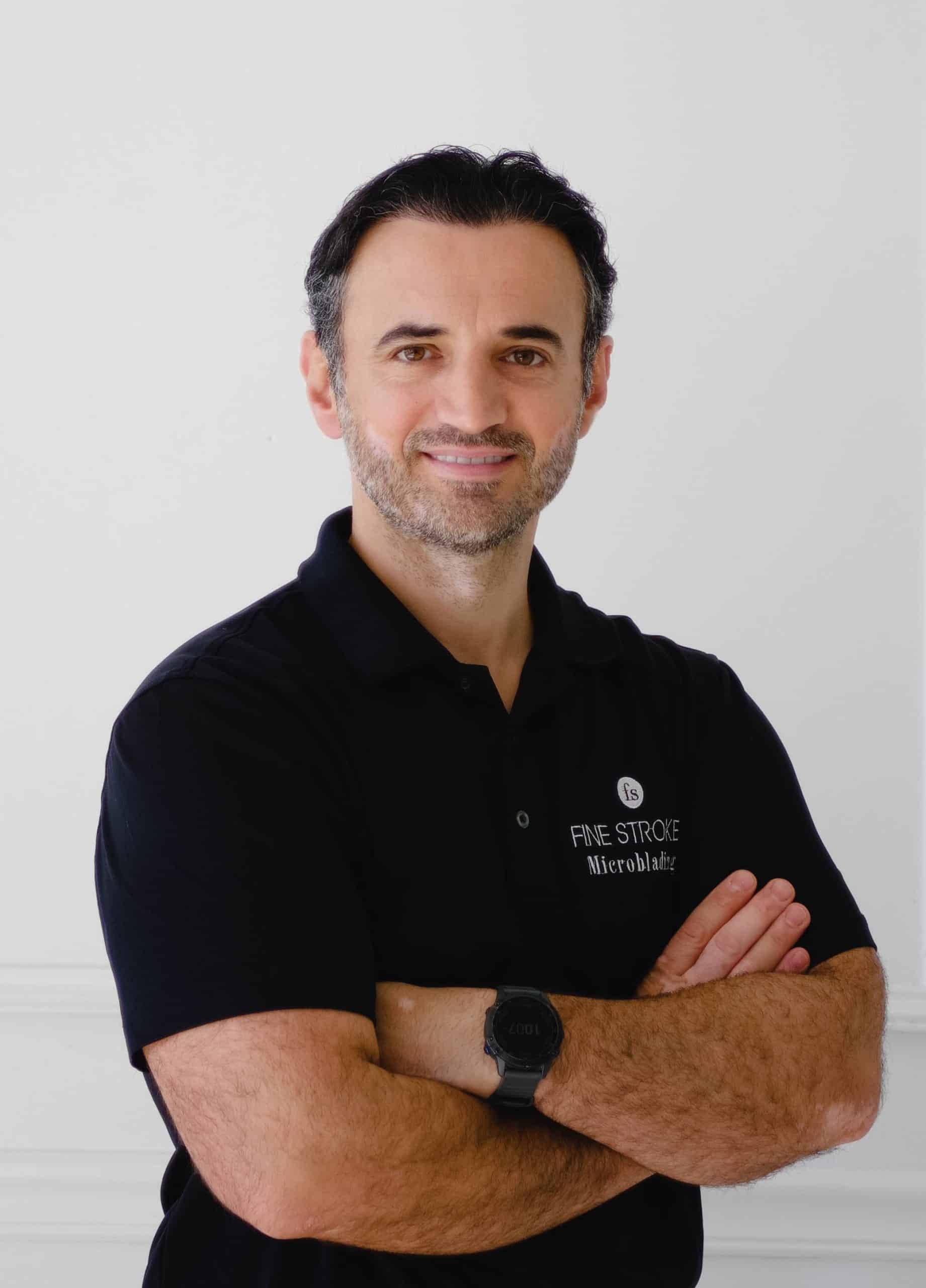
I run AlbaTech as a one-person shop in Metro Detroit. Since 2016 I’ve built and fixed the marketing foundations for around 30 local businesses, and I’m the person owners call after they’ve been burned by an agency that couldn’t say what changed. Work with me and you work with me. No closers, no handoffs.